Home Appliance Problems: When To Seek a Plumber's Help for Typical Problems
This ResourceEach person has got their personal rationale involving Diagnose Unwanted Plumbing Noises.
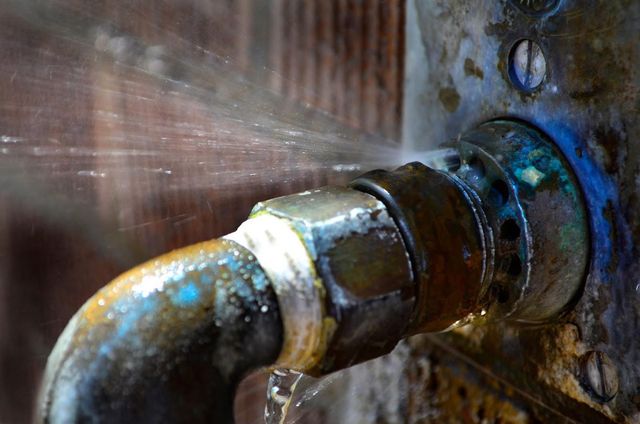
To diagnose noisy plumbing, it is very important to establish initial whether the undesirable sounds occur on the system's inlet side-in other words, when water is turned on-or on the drain side. Sounds on the inlet side have actually differed reasons: too much water stress, used shutoff as well as faucet parts, improperly connected pumps or other appliances, inaccurately positioned pipeline bolts, as well as plumbing runs including way too many limited bends or various other constraints. Sounds on the drainpipe side generally originate from inadequate area or, similar to some inlet side sound, a design consisting of limited bends.
Hissing
Hissing sound that happens when a faucet is opened somewhat typically signals excessive water pressure. Consult your local water company if you believe this trouble; it will certainly have the ability to inform you the water pressure in your area and can install a pressurereducing valve on the inbound water pipeline if needed.
Other Inlet Side Noises
Creaking, squeaking, damaging, breaking, and tapping generally are brought on by the development or contraction of pipes, generally copper ones providing warm water. The audios happen as the pipes slide against loosened bolts or strike close-by house framing. You can usually determine the place of the problem if the pipelines are revealed; just follow the audio when the pipelines are making noise. Most likely you will certainly find a loose pipeline wall mount or an area where pipes lie so near to floor joists or other mounting pieces that they clatter versus them. Attaching foam pipe insulation around the pipelines at the point of get in touch with should treat the issue. Be sure bands as well as hangers are safe and secure as well as provide ample support. Where feasible, pipeline fasteners need to be connected to massive architectural elements such as structure walls instead of to mounting; doing so lessens the transmission of resonances from plumbing to surfaces that can intensify as well as move them. If connecting bolts to framing is unavoidable, cover pipes with insulation or various other resilient product where they get in touch with bolts, as well as sandwich completions of new bolts between rubber washing machines when installing them.
Dealing with plumbing runs that struggle with flow-restricting limited or various bends is a last resource that should be taken on only after seeking advice from a competent plumbing service provider. Unfortunately, this circumstance is fairly typical in older residences that may not have actually been built with indoor plumbing or that have actually seen several remodels, especially by novices.
Babbling or Screeching
Extreme chattering or shrilling that happens when a shutoff or faucet is switched on, which generally disappears when the fitting is opened completely, signals loosened or malfunctioning inner parts. The service is to replace the shutoff or tap with a brand-new one.
Pumps and also devices such as cleaning machines as well as dish washers can move motor noise to pipelines if they are poorly connected. Link such products to plumbing with plastic or rubber hoses-never inflexible pipe-to isolate them.
Drain Noise
On the drain side of plumbing, the principal objectives are to eliminate surfaces that can be struck by falling or hurrying water and also to shield pipes to include inevitable audios.
In brand-new construction, bathtubs, shower stalls, bathrooms, as well as wallmounted sinks and also containers need to be set on or against resilient underlayments to decrease the transmission of noise via them. Water-saving commodes and also faucets are less noisy than conventional designs; install them rather than older kinds even if codes in your location still allow making use of older components.
Drains that do not run vertically to the basement or that branch into horizontal pipe runs supported at floor joists or other framing present particularly problematic noise issues. Such pipes are big enough to radiate significant vibration; they likewise bring considerable amounts of water, which makes the situation worse. In new construction, specify cast-iron soil pipelines (the huge pipelines that drain pipes commodes) if you can manage them. Their enormity consists of much of the noise made by water passing through them. Also, stay clear of directing drainpipes in walls shared with bedrooms and also areas where individuals gather. Walls containing drains need to be soundproofed as was defined earlier, using double panels of sound-insulating fiber board and also wallboard. Pipelines themselves can be wrapped with special fiberglass insulation created the objective; such pipes have an impervious vinyl skin (occasionally consisting of lead). Outcomes are not always acceptable.
Thudding
Thudding noise, usually accompanied by shuddering pipelines, when a tap or home appliance valve is switched off is a problem called water hammer. The noise and also resonance are brought on by the resounding wave of pressure in the water, which suddenly has no location to go. In some cases opening up a shutoff that discharges water promptly right into a section of piping having a limitation, elbow joint, or tee installation can create the same problem.
Water hammer can typically be cured by mounting fittings called air chambers or shock absorbers in the plumbing to which the trouble valves or faucets are linked. These devices permit the shock wave produced by the halted circulation of water to dissipate airborne they contain, which (unlike water) is compressible.
Older plumbing systems might have short upright sections of capped pipeline behind walls on tap runs for the very same function; these can at some point full of water, reducing or ruining their effectiveness. The remedy is to drain the water supply completely by turning off the main water system valve as well as opening up all faucets. After that open the major supply valve as well as shut the faucets individually, starting with the tap nearest the valve and finishing with the one farthest away.
WHY IS MY PLUMBING MAKING SO MUCH NOISE?
This noise indeed sounds like someone is banging a hammer against your pipes! It happens when a faucet is opened, allowed to run for a bit, then quickly shut — causing the rushing water to slam against the shut-off valve.
To remedy this, you’ll need to check and refill your air chamber. Air chambers are filled with — you guessed it — air and help absorb the shock of moving water (that comes to a sudden stop). Over time, these chambers can fill with water, making them less effective.
You’ll want to turn off your home’s water supply, then open ALL faucets (from the bathroom sink to outdoor hose bib) to drain your pipes. Then, turn the water back on and hopefully the noise stops! If you’re still hearing the sound, give us a call to examine further.
Whistles
Whistling sounds can be frustrating, as sometimes the source isn’t easily identified. However, if you can pinpoint which faucet or valve that may be the cause, you’ll likely encounter a worn gasket or washer — an easy fix if you replace the worn parts!Whistling sounds from elsewhere can mean a number of things — from high water pressure to mineral deposits. Your best plan of attack here is to give our plumbing experts a call. We’ll be able to determine where the noise is coming from and what the cause may be, then recommend an effective fix!
Cracks or Ticks
Cracking or ticking typically comes from hot water going through cold, copper pipes. This causes the copper to expand resulting in a cracking or ticking sound. Once the pipes stop expanding, the noise should stop as well.
Pro tip: you may want to lower the temperature of your water heater to see if that helps lessen the sound, or wrapping the pipe in insulation can also help muffle the noise.
Bangs
Bangs typically come from water pressure that’s too high. To test for high water pressure, get a pressure gauge and attach it to your faucet. Water pressure should be no higher than 80 psi (pounds per square inch) and also no lower than 40 psi. If you find a number greater than 80 psi, then you’ve found your problem!
Next step is to give us a call in order to install a pressure regulator. Trust us, you don’t want to wait to resolve this issue. Not only is the sound annoying, but high water pressure can be destructive to your home — including damaging certain appliances, like your washer and dishwasher.
Dripping
You might be accustom to the slow quiet drip your kitchen faucet makes. You might have even tuned out your bathroom sink dripping and drabbing all day long — but it’s time to find its cause.
A slow drip could signify a variety of easy to fix issues, such as a worn out O ring, or loose part. And by ignoring the drip, you could be wasting up to 2,000 gallons of water a year! So start conserving water — get it looked at ASAP.
https://www.pwessig.com/blog/2018/december/why-is-my-plumbing-making-so-much-noise-/

We are very interested in Why is My Home Making Strange Plumbing Noises and I am assuming you enjoyed the blog posting. For those who liked our blog post if you please don't forget to share it. Thank you so much for taking the time to read it.
Visit Homepage